 Skip to main content
Industry insights | September 21, 2026 | Ben Allen – CEO, BinSentry
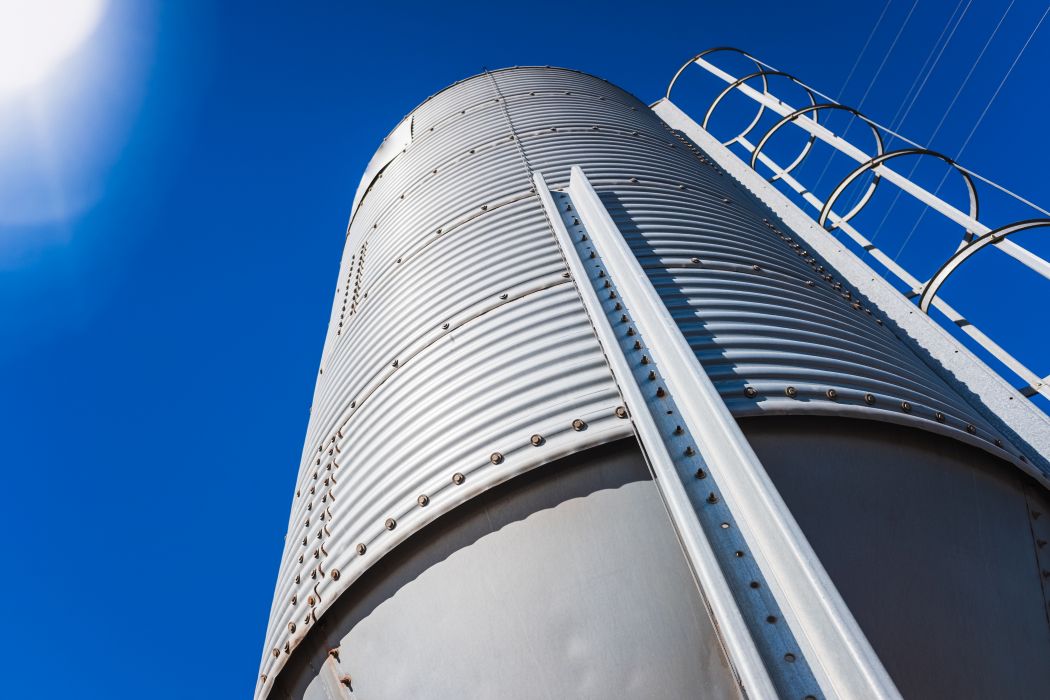
Most feed inventory checks still get done the way they were done fifty years ago. Someone climbs the bin.
Maybe twice a day. Every day, every week, in every kind of weather.
Nobody enjoys it. On most operations it is simply the job.
It doesn’t have to be.
Climbing ladders, counting rings, dropping weighted lines, banging on bins with a mallet or whatever rock is handy, eyeballing it from the ground — every one of these puts a person at height and none of them produce a number worth building a feeding plan on. That is a lot of risk and effort for bad data.
Falls from heights are among the top causes of farm fatalities
Recent data shows that falls are responsible for almost one-third (29%) of the injuries that require hospitalization or time off from work in agricultural production. Falls from heights are among the top 10 causes of farm fatalities.
Falls that are not fatal can often result in serious injury; but even a minor injury could lead to lost time and lost productivity. The average cost of a fall-related workplace injury is $50,000, according to the National Safety Council.
It doesn’t have to be this way. There is no good reason for anyone to risk their neck to check feed inventories.
Less climbing, safer and more profitable operations
BinSentry removes the reason to climb. Rugged 3D sensors mounted on every bin capture real-time measurements, and BinSentry’s AI-driven software turns those measurements into inventory forecasts, out-of-feed alerts and shrink detection, delivered through a dashboard and mobile app instead of a clipboard and a guess. ProSense Feed is rated up to 99% accurate.
Safety is the first return. It is not the only one. Operations running on BinSentry report fewer stockouts and lower production risk and better visibility into what is actually on site means better demand forecasting and less waste.
By eliminating the need to climb bins for risky manual inventory checks, a large feed mill could save:
-
$50,000+ by avoiding a serious fall injury event
-
$2,125+ per month on labor for two hours of daily bin checks
That’s on top of other savings like:
-
$35,000 per month reducing shrink on a $5 million inventory from 1.5% to 0.8%
-
$2,000+ per month preventing feed outages
-
$7,200+ per month avoiding 180 hours of demurrage charges
-
$1,650+ per month averting spot market ingredient purchase
-
$50,000+ per year in bin whipping costs
What that looks like on the ground
Borgic Farms ran a pilot project for their feed bins to test BinSentry Technology, then installed hundreds of BinSentry sensors across its swine operations in Illinois.
Within a week of going live, one producer texted Suzi Steber, the company’s Nutritional Co-ordinator, while checking inventory during a Friday night thunderstorm.
“I wanted to thank you for installing this at my site,” the text read, “and my wife thanks you because she’s not worried about me climbing a bin and falling.”
The safety factor is tremendous, Suzi says.
“We care very much about our pigs and our people. With BinSentry I know that I don’t have to send someone out to climb an icy bin ladder at 10 o’clock at night and I know the pigs are fed. It has virtually eliminated climbing bins.”
Less climbing. Better data. More time for the work that actually needs a person.
Farm Safety Month is a good time to look at how inventory gets counted across your sites, and to ask whether anyone still has to leave the ground to do it.